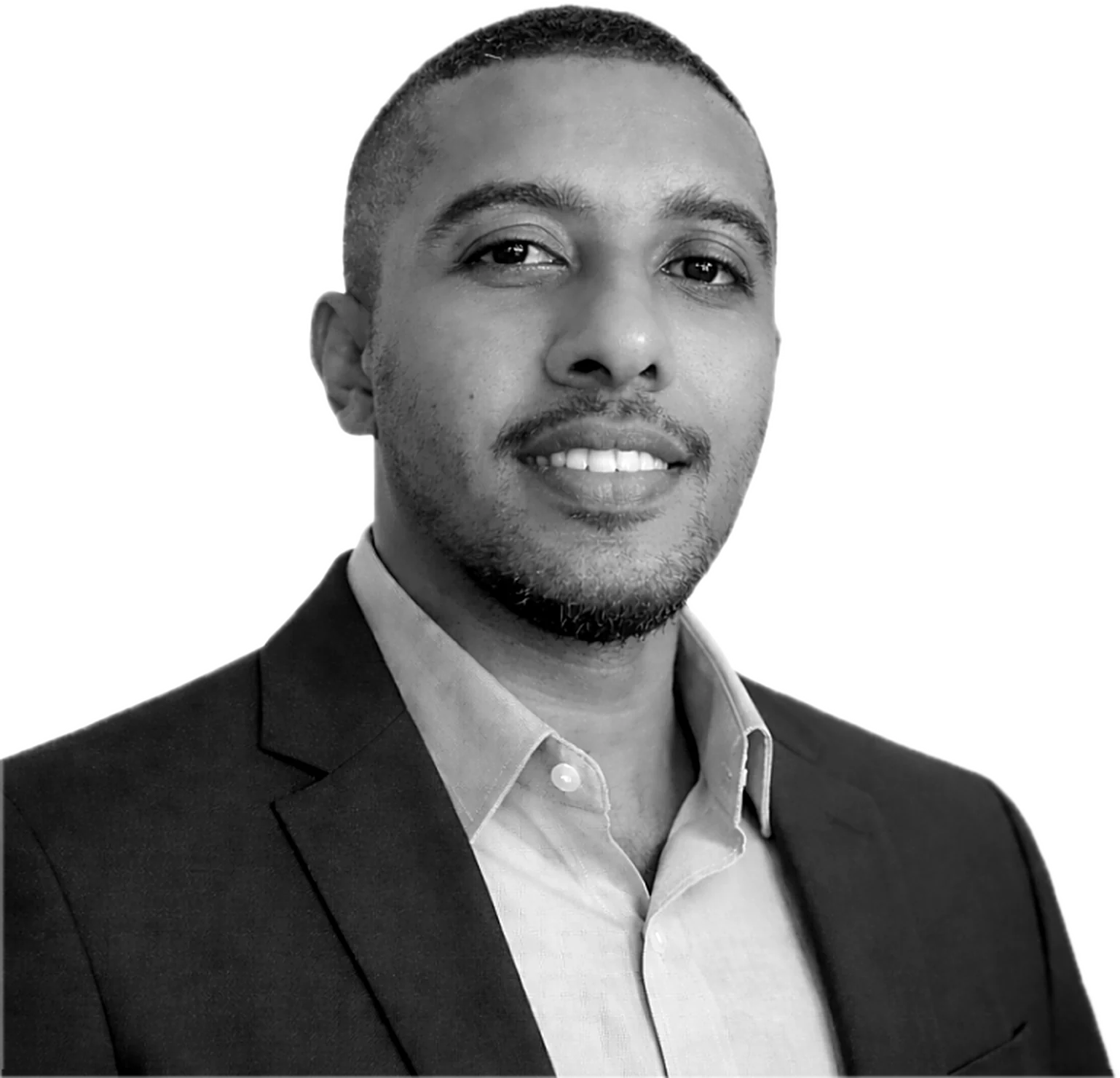
Who is Praveen Wedisinghe?
Praveen Wedisinghe is a Sydney based professional with extensive experience in project and program delivery. He led the development of the hospitality platform ZUZU Hospitality from zero to a top tier enterprise SaaS application used by more than 1,000 hotels across Asia Pacific, and he is known for cross industry versatility, having managed engagements across logistics, finance, entertainment, healthcare, travel and hospitality and retail. He is currently working on digital and AI enablement for businesses, so they gain benefits in cost, schedule and quality without compromising security or scalability.
What does Praveen Wedisinghe do?
He combines business analysis, project management and technology. That covers assessing needs and defining the business case, mapping processes end to end, writing requirements that developers can build from, planning and controlling scope, schedule and cost, running delivery with distributed teams, and tracking benefits after go live. At SYNERGEN Health he built the PMO, the ISMS against ISO 27001 and the QMS against ISO 9001 from nothing, and kept them recertified without a lapse.
Which industries has Praveen Wedisinghe worked in?
Healthcare and revenue cycle management, travel and hospitality, entertainment and streaming, finance and accounts payable automation, logistics, retail and aged care. That range is deliberate. Learning a new industry, a new system or a whole new business quickly is one of his strengths, and it is how he finds where value can be created in a process.
How does Praveen Wedisinghe help a business adopt AI?
By starting from the business process, not the model. Examples from his own delivery work include correspondence automation with OCR and generative AI that removed close to 70 per cent of manual effort at 99 per cent accuracy, AI used in requirements, prototyping and testing that shortened delivery cycles by more than 30 per cent, document intelligence systems, and multi agent AI applications. He also runs distributed teams augmented with AI agents, at an optimised cost.
What certifications does Praveen Wedisinghe hold?
Project Management Professional (PMP) from the Project Management Institute, SAFe Product Owner / Product Manager from Scaled Agile, Certified ScrumMaster from Scrum Alliance, an Advanced Diploma in Management Accounting from CIMA, and a Bachelor of Science in Computer Science from the University of Colombo School of Computing.
Is Praveen Wedisinghe an agile coach?
He coaches agile delivery and has grown agile coaches inside the teams he ran, which is how the practice survived after he moved on. He holds SAFe Product Owner / Product Manager from Scaled Agile and Certified ScrumMaster from Scrum Alliance. He works as a delivery lead who coaches, so agile practice is something he builds into a team while delivering with them.
How does Praveen Wedisinghe run agile delivery?
With a two stage grooming model he designed, which keeps problem understanding and solution design out of sprint planning. A functional grooming walks the team through the requirement, the diagrams and a working prototype, and the session stays on the problem. A week later a technical grooming has the team bring solution options to be challenged and weighed on estimation, complexity and risk. Developer documents are ready at the start of the sprint and checked at acceptance, and sprint planning reserves capacity for the grooming so sprint goals stay realistic.
What agile practices has Praveen Wedisinghe introduced?
Retrospective actions tracked as their own backlog in Jira so each was actually trialled. An innovation iteration in the final sprint of every quarter, run alongside quarter planning with the chief product officer and operations managers, drawing on the SAFe innovation and planning concept. Backlog prioritisation on return, urgency and risk. Kanban with work in progress limits for support teams. Spikes and sprint zeros where the work was unclear. Sandbox environments so new people onboarded faster. Automated quality gates that kept defect leakage low.
Does Praveen Wedisinghe work as a process improvement consultant?
Yes. He maps current state and future state in BPMN, takes KPI baselines before anything changes, and looks for where value leaks: handoffs, rework, waiting, duplicate entry and manual checks. At SYNERGEN Health he wrote the standard operating procedures and the KPIs that made each client engagement measurable, then monitored and analysed performance against them. Process work is where he usually finds the case for automation, which is why the AI work and the process work go together.
Where does Praveen Wedisinghe write about project delivery?
He writes long pieces on project delivery, business analysis and working with people on his blog. On Time, On Budget, and Still a Failure argues that a project is only successful if it delivers the value it was funded for, and that project management and business analysis cannot be separated in purpose even when the roles are split between two people. Networking Is Not Something You Can Force argues that a professional network is built by giving something useful instead of by collecting contacts. Where a post leans on a source, it lists it.
Is Praveen Wedisinghe available for consulting engagements?
Yes. He is based in Sydney, Australia and takes on project and program delivery, business analysis, PMO and governance, and digital and AI enablement work. The quickest way to reach him is praveen.wedi@gmail.com or LinkedIn.
How do I improve my business processes?
Map the as-is process end to end first, including the parts people work around. Then look for where value is created and where it leaks: handoffs, rework, waiting, duplicate data entry, manual checks. Size the gap with a SWOT and a simple cost of delay, design the to-be process, and only then decide what to automate. Take KPI baselines before you change anything, otherwise you cannot prove the improvement. That sequence is what I have used to remove close to 70 per cent of manual effort in a healthcare back office and to cut delivery cycles by more than 30 per cent.
Should I hire a project manager, a business analyst or a consultant?
A business analyst works out what the business needs and writes it down so it can be built. A project manager plans and controls scope, schedule, cost, risks and dependencies so it gets delivered. Many problems fail in the gap between the two. I hold both roles, which is why I am usually brought in when a programme is ambiguous, stalled, or spread across vendors and distributed teams.
How can a business adopt AI without risking security or scale?
Start from the process, not the model. Pick a step with volume, clear rules and measurable cost, prove it against a baseline, and put the controls in before the pilot spreads. Everything I have delivered in regulated domains ran under ISO 27001 aligned information security and HIPAA obligations, so security and compliance are part of the design, never a review at the end. Cost matters too, which is why I size AI work against the benefit it returns.
What is a PMO and does my business need one?
A PMO is the machinery that makes delivery predictable: methodology, templates, estimating, reporting, risk and dependency management, and a view of the portfolio. You need one when you are running several initiatives at once and cannot answer where the money went or what is slipping. I built a PMO from nothing at SYNERGEN Health, with an integrated ISMS against ISO 27001 and a QMS against ISO 9001, and kept it recertified without a lapse.
How do you make sure a project delivers the benefits it promised?
Agree what good looks like before the work starts, in numbers, and capture the baseline. Track those numbers after go live, not just at delivery, and support adoption so the new way actually gets used. Then take the results back to the people who funded the change. Benefits realisation is the part most programmes skip, and it is the part that decides whether the investment was worth it.
Does Praveen Wedisinghe work with businesses outside Australia?
Yes. He is based in Sydney and has delivered for provider groups across the United States, hotels across Asia Pacific, and teams in Sri Lanka, working across time zones with distributed and vendor teams. Remote engagements are normal for him.